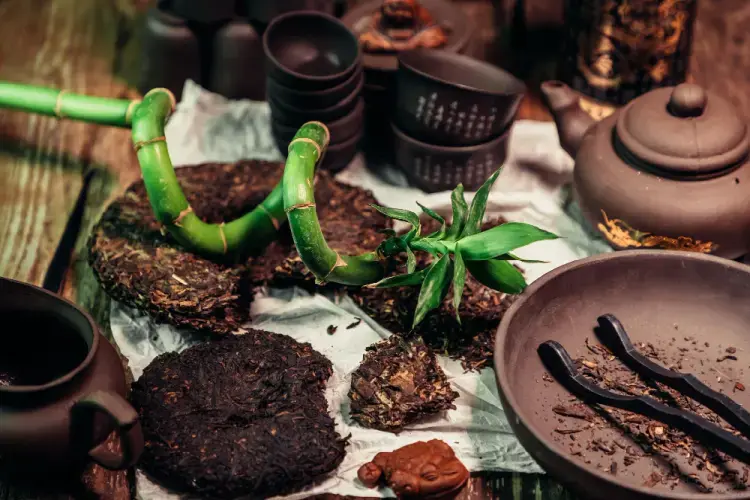
Living with a chronic health condition often means looking for care that supports long-term health and overall well-being. Chinese herbal medicine offers a personalized approach by creating herbal formulas based on each person’s unique needs. For those interested in chinese herbs for chronic conditions, this approach focuses on the whole person rather than symptoms alone. At Olympus Center in Manhattan, individualized herbal care is designed to complement overall healthcare through safe, evidence-informed treatment plans.
Understanding Chinese Herbal Medicine
Chinese herbal medicine is one of the oldest natural healthcare traditions still in active use, and it remains central to Traditional Chinese Medicine. A trained practitioner selects individual herbs and combines them into a formula suited to the patient in front of them, rather than treating a diagnosis as if it applies the same way to everyone. The emphasis falls on how the body’s systems interact and on how a person’s overall condition might be feeding symptoms that have stuck around longer than expected.
Working alongside a patient’s existing doctors is also part of the process when it makes sense. A first visit typically covers medical history, current medications, lifestyle, diet, sleep, and stress levels, since all of it can shape what a treatment plan should look like. At Olympus Center, no herbs are recommended until that evaluation is done. It’s a deliberate step, not a formality, and it keeps the plan grounded in a patient’s actual health rather than a general template.
Why Personalized Care Matters for Chronic Health
Chronic symptoms rarely trace back to one cause. Diet, stress, genetics, environment, and existing medical conditions tend to overlap, which is part of why two people with the same complaint can need very different care. Personalized herbal medicine starts from that idea. A practitioner looks at the full picture before choosing herbs for that specific presentation, and the formula changes as the patient’s symptoms shift or their health improves.
An integrative evaluation is often worth considering for people managing digestive discomfort, chronic pain or musculoskeletal issues, stress-related symptoms and sleep disturbances, hormonal or menopausal changes, seasonal allergies, or fatigue that doesn’t seem to lift. Chronic conditions frequently touch more than one body system at a time, so many patients prefer a plan that looks beyond symptom relief while staying in step with their other providers.
Book Your Herbal Medicine Consultation Today
What Are Custom Herbal Formulations?
Custom herbal formulations set Chinese herbal care apart from anything sold pre-made on a shelf. A patient doesn’t pick a product. They receive a combination of herbs chosen specifically for them after a consultation that looks closely at their situation.
A number of factors go into that formula: current symptoms, medical history, individual constitution, lifestyle, diet, and what the patient hopes treatment will accomplish. As those factors shift, the formula can shift with them, which keeps the approach responsive rather than fixed in place. It also gives the practitioner a way to track how someone is actually responding and make changes when needed.
A formulation might include herbs traditionally associated with digestion, circulation, immune support, or stress management. The exact mix, though, always comes back to the patient’s complete health picture rather than a diagnosis by itself.
How Does an Integrated Herbal Treatment Approach Work?
It surprises a lot of patients to learn that modern herbal care can draw on both Eastern and Western botanical traditions at once. An integrated herbal treatment approach treats these as two bodies of knowledge, each developed over a long period, that can work well together when applied with care.
At Olympus Center, practitioners weigh traditional principles alongside current clinical understanding when putting a recommendation together. Depending on a patient’s health status, medications, and goals, a Western and Chinese herbs combination may make sense in some cases and not in others.
Combining traditions is never a matter of mixing products casually. That kind of recommendation should come from a practitioner who understands how herbs can interact with each other or with prescription medication. It’s a safety question as much as anything else, and it’s why herbal therapy needs to fit properly into a patient’s broader healthcare plan rather than sit apart from it.
Patients are encouraged to keep their full care team in the loop. Open communication is what keeps every part of a treatment plan actually coordinated, and it supports better decisions about how herbal medicine fits alongside everything else a patient is doing for their health.
What Chronic Health Issues Can Herbal Medicine Support?
Many people come to herbal medicine after symptoms have persisted despite healthy lifestyle changes or standard medical treatment. It isn’t meant to replace necessary care. For some patients, though, it becomes a useful piece of a larger plan.
An individualized herbal evaluation may be worth exploring for digestive concerns such as bloating or irregular digestion, joint discomfort and ongoing musculoskeletal pain, headaches and recurring migraines, sleep disturbances paired with fatigue, stress-related symptoms, and hormonal changes including menstrual or menopausal symptoms.
The goal isn’t to chase each symptom individually. It’s to understand the pattern behind them. Because patients respond differently to the same formula, plans get reviewed on a regular basis and adjusted based on how someone is actually doing.
Chinese Herbs and Western Supplements: What Is the Difference?
Patients often ask whether Chinese herbs work the same way as the vitamins sold at a pharmacy or health food store. Both can support overall wellness, but they’re built on different ideas entirely.
Most Western supplements center on individual nutrients or standardized extracts, usually meant to fill a nutritional gap or support one specific area, such as bone density or immune function. Chinese herbal medicine takes a different path. Rather than isolating one ingredient, a practitioner combines several herbs into a balanced formula, and each herb plays a specific role within that combination. The formula is chosen for the patient’s overall condition, not a single symptom, and it can be adjusted as that condition changes.
This is also why professional evaluation matters before someone starts herbal therapy, especially if they’re taking prescription medication or managing more than one health concern at a time.
The Importance of Natural Supplement Guidance
Choosing herbal products without professional input is harder than it looks. Quality, dosage, and ingredient combinations vary widely from one product to the next, and some herbs can interact with prescription medications or existing conditions.
That’s where natural supplement guidance comes in. During a consultation, a practitioner goes through a patient’s health history, current medications, existing supplements, allergies, and wellness goals before making any recommendation.
This kind of guidance helps in a few concrete ways. It helps patients understand which herbs suit their situation, avoid unnecessary or duplicate supplements, recognize possible interactions between herbs and medications, and adjust formulations as their needs change over time. Nutrition and lifestyle guidance usually get folded into this same process, so the overall plan stays coordinated instead of treating supplements as a separate issue.
What to Expect During Your Herbal Medicine Consultation
A first appointment is meant to build a full picture of a patient’s health, not just address whatever symptom prompted the visit. The practitioner spends time on medical history, current concerns, lifestyle, diet, sleep, stress, and any treatments already underway.
From there, an individualized care plan starts to take shape. It might include herbal medicine, nutritional guidance, lifestyle adjustments, or other integrative therapies, depending on what fits. At Olympus Center, these plans are meant to change over time rather than stay fixed. Follow-up visits give the practitioner a chance to check progress, answer questions, and adjust the formula when needed, so the relationship between patient and practitioner keeps steering the treatment forward.
Schedule Your Personalized Wellness Visit
Why Patients Seek Herbal Medicine in Manhattan
Patients searching for herbal medicine in Manhattan are usually looking for more individual attention than they’ve found elsewhere. Chronic health concerns rarely stay contained to one part of life. They tend to spill into sleep, work, physical activity, mood, and daily routine.
An individualized consultation gives a practitioner room to understand those wider effects before recommending anything, instead of reaching for a standardized answer. For patients interested in Chinese herbs for chronic conditions, working with an experienced practitioner matters quite a bit, since ongoing evaluation, monitoring, and communication with other providers all help keep recommendations appropriate as health changes.
Olympus Center takes a collaborative approach, pairing traditional herbal knowledge with current clinical understanding, so patients can explore integrative care while staying in close contact with the rest of their healthcare team.
Choosing a Personalized Approach for Long-Term Wellness
Managing a chronic condition takes patience, and it takes a plan built around the person rather than the diagnosis. Herbal medicine isn’t a substitute for conventional medical care. For many patients, it becomes a useful part of a broader wellness strategy, particularly when it’s personalized and monitored closely alongside nutrition, lifestyle changes, and appropriate medical treatment.
At Olympus Center, individualized evaluations shape every herbal recommendation, based on a patient’s health history, present concerns, and long-term goals. No two people experience a chronic condition the same way. Pairing traditional herbal knowledge with a modern understanding of health lets practitioners build plans that actually reflect that difference, instead of applying one approach across the board.
Patients new to herbal care, and patients looking for a more personalized approach to a concern they’ve had for years, tend to benefit from the same thing: working with a qualified practitioner who can help them make informed choices about their long-term well-being.
Frequently Asked Questions
1. How does Chinese herbal medicine work for chronic conditions?
Chinese herbal medicine relies on individualized formulas built around a person’s overall health rather than a single symptom. After a thorough evaluation, a practitioner selects herbs intended to support the body’s natural functions, taking lifestyle, medical history, and current concerns into account. Plans are reviewed regularly and adjusted as treatment continues.
2. Why combine Chinese and Western herbs for treatment?
A combination of Chinese and Western herbs may be considered when a qualified practitioner decides an integrated approach fits a patient’s specific needs. Each tradition brings a different perspective, and a carefully chosen combination can support a broader treatment plan. Any such recommendation should take current medications and existing health conditions into account.
3. How are custom herbal formulations personalized for patients?
Custom herbal formulations come out of a detailed consultation covering symptoms, medical history, nutrition, lifestyle, sleep, stress, and current medications. Rather than applying one formula across every patient, practitioners build individualized combinations that can be adjusted as a patient’s needs change over the course of treatment.
4. What chronic health issues can herbal medicine treat?
Herbal medicine may be included in an integrative care plan for chronic concerns such as digestive issues, chronic pain, headaches, fatigue, sleep disturbances, hormonal changes, and stress-related symptoms. Whether herbal treatment is appropriate depends on each patient’s individual health status and should be determined through a professional evaluation, since herbal medicine is meant to complement medical care rather than replace it.
5. How long does it take to see results from herbal treatment?
The timeline differs from patient to patient, depending on the condition itself, overall health, lifestyle, and consistency with the treatment plan. Some patients notice gradual changes within a few weeks, while others with longer-standing concerns may need more time and ongoing care. Regular follow-up visits allow the practitioner to track progress and adjust formulations as needed.