No two women go through menopause or monthly cramps the same way. Some barely notice the shift. Others feel it in nearly every part of their routine. That range of experience is exactly why so many women in New York City start looking into supportive care that works alongside what their doctor already recommends. Acupuncture for menopause NYC comes up often in these conversations, usually paired with individualized Chinese herbal medicine as part of a wider wellness routine.
Traditional Chinese Medicine (TCM) doesn’t isolate a single symptom and treat it on its own. It looks at the body as a connected system. At Olympus Center, that philosophy shapes how care is delivered, blending centuries-old practice with a modern, patient-first mindset for women across the city.
Women’s Health Changes, and So Should the Approach
A woman’s health needs today may look nothing like they did ten years ago. Hormonal shifts, whether tied to the reproductive years or to menopause later on, are a normal part of that timeline. Still, the way each woman experiences these shifts varies quite a bit. That’s part of why more women are gravitating toward care that actually accounts for their personal history and daily habits, instead of a plan built for the average patient.
TCM has been around for thousands of years, and one thing that hasn’t changed is its attention to the individual. Rather than running everyone through the same steps, a practitioner looks at how different systems in the body interact. Acupuncture and Chinese herbal medicine are the two therapies most often used here, generally as tools to support the body’s own sense of balance.
These days, it’s common to see these therapies used right alongside conventional medical care, not instead of it. Plenty of women like this setup. It lets them keep their existing treatment plan in place while still exploring something that feels more personal.
What Acupuncture Can Offer During Menopause
Women who look up acupuncture for menopause in NYC are usually just curious. They want to know if there’s a natural option worth considering during this stage of life. Everyone’s timeline looks different, but acupuncture has held a place in TCM for a long time as a way to support the body’s own regulatory processes.
It’s worth saying clearly: acupuncture is meant to complement medical care, not replace it. Any decisions about how to manage symptoms should stay between a woman and her own doctor. For those curious about natural menopause relief acupuncture, a licensed practitioner typically spends real time learning about a person’s health background before suggesting anything.
Some women also ask about herbal medicine hot flashes insomnia support as part of a personalized TCM plan. Herbal formulas here are built around the person, not the symptom alone, so this isn’t something to try without guidance from someone trained in the practice.
If any of this sounds like something worth exploring, talking it through with a practitioner is a reasonable next step. [Schedule Your Consultation Today]
Chinese Herbal Medicine Isn’t One Size Fits All
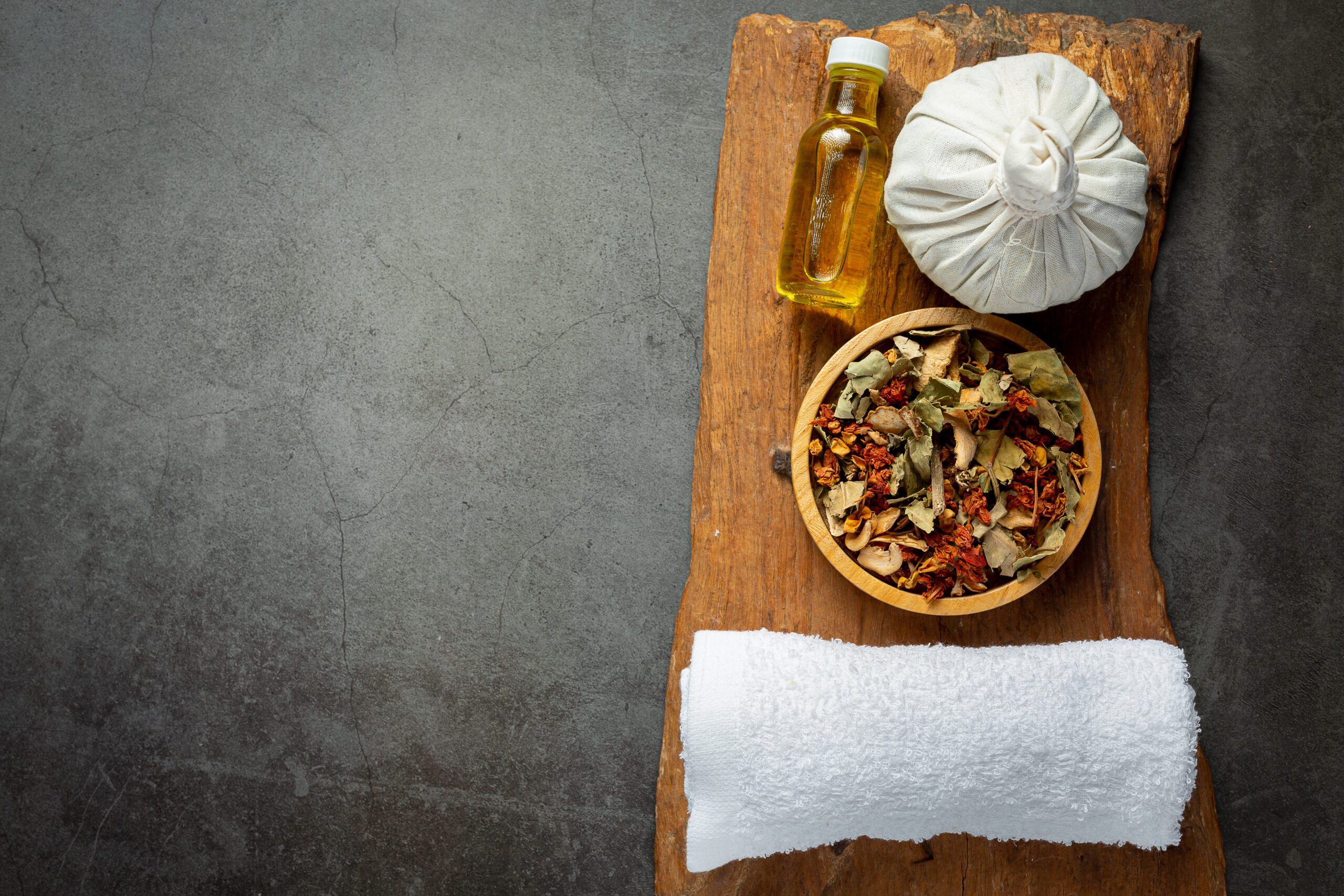
Chinese herbal medicine has a long track record within TCM as a way to support general wellness. Unlike most over-the-counter products, these formulas are usually built around the individual after a real conversation about their health.
Take chinese herbs for menstrual cramps as an example. There’s no single formula that works the same for every woman. Two people with nearly identical symptoms might still walk away with different recommendations, simply because their broader health picture differs.
This is one reason working with a licensed TCM practitioner tends to matter more than searching for a quick answer online. At Olympus Center, herbal suggestions come out of a larger, personalized plan rather than a standard list. Anyone looking for the best chinese herbs for menstrual cramps should keep in mind that the right formula really does depend on the person, which is why a qualified practitioner needs to be part of that decision.
Hormonal Wellness, Looked at Through a Wider Lens
Questions like does TCM work for hormonal imbalance come up a lot as more women explore complementary options. TCM tends to zoom out rather than zero in. A practitioner might look at sleep, stress, and nutrition together instead of treating each one as its own separate issue.
Research in this space is still developing, but many women appreciate that level of attention. It’s part of what shapes conversations around how acupuncture helps menopause symptoms, generally understood as support for the body’s own systems rather than a fix aimed at one complaint.
Menstrual Comfort, Considered as Part of the Whole Picture
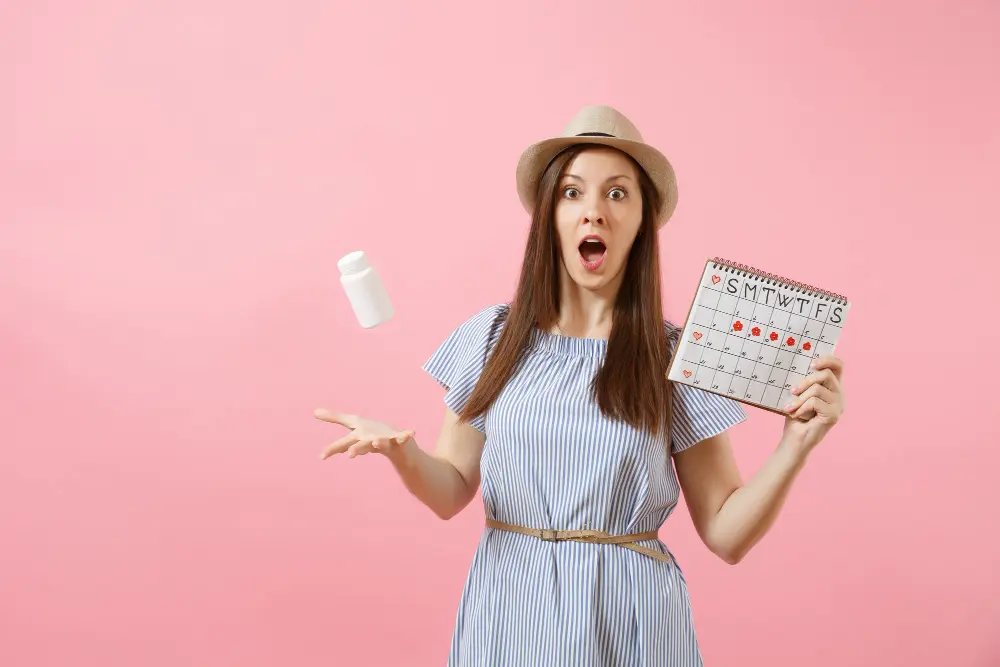
Monthly discomfort is one of the more common reasons women look into complementary therapies in the first place. TCM doesn’t treat this as a problem with one solution. Everyone’s experience with it is a little different.
Women asking about holistic treatment for PMS cramps nyc are often looking for something beyond short-term relief. They want care that considers their wellness over time. Acupuncture sessions may be paired with herbal guidance, nutrition conversations, and lifestyle input, depending on what a person actually needs. That’s the basic idea behind integrative medicine: different approaches working together, built around the individual instead of the symptom.
A few reasons women give for exploring this kind of care:
They’d rather have personalized attention than a generic plan. They want something that works alongside their existing medical care, not against it. They’re interested in guidance that connects sleep, stress, and daily routine. They want ongoing support as their needs shift over time. They like the idea of a plan that combines acupuncture, herbal medicine, and lifestyle conversations.
Why Personalized Planning Sits at the Center of TCM
One thing that sets TCM apart is that the plan is built around the person, not just the complaint. That comes from a basic understanding that no two women share the exact same background, routine, or goals.
At Olympus Center, acupuncture and Chinese herbal medicine are offered as part of a plan built specifically for each woman. A licensed practitioner takes the time to understand someone’s overall wellness before recommending anything. This is really just an extension of the center’s broader approach to integrative, patient-centered care.
Women searching for TCM menopause symptoms in Manhattan are usually after more than a single appointment. Many want a practitioner who understands that wellness touches sleep, stress, and nutrition all at once, and who’s comfortable coordinating with a woman’s existing medical team.
Acupuncture’s Role in Hormonal Balance
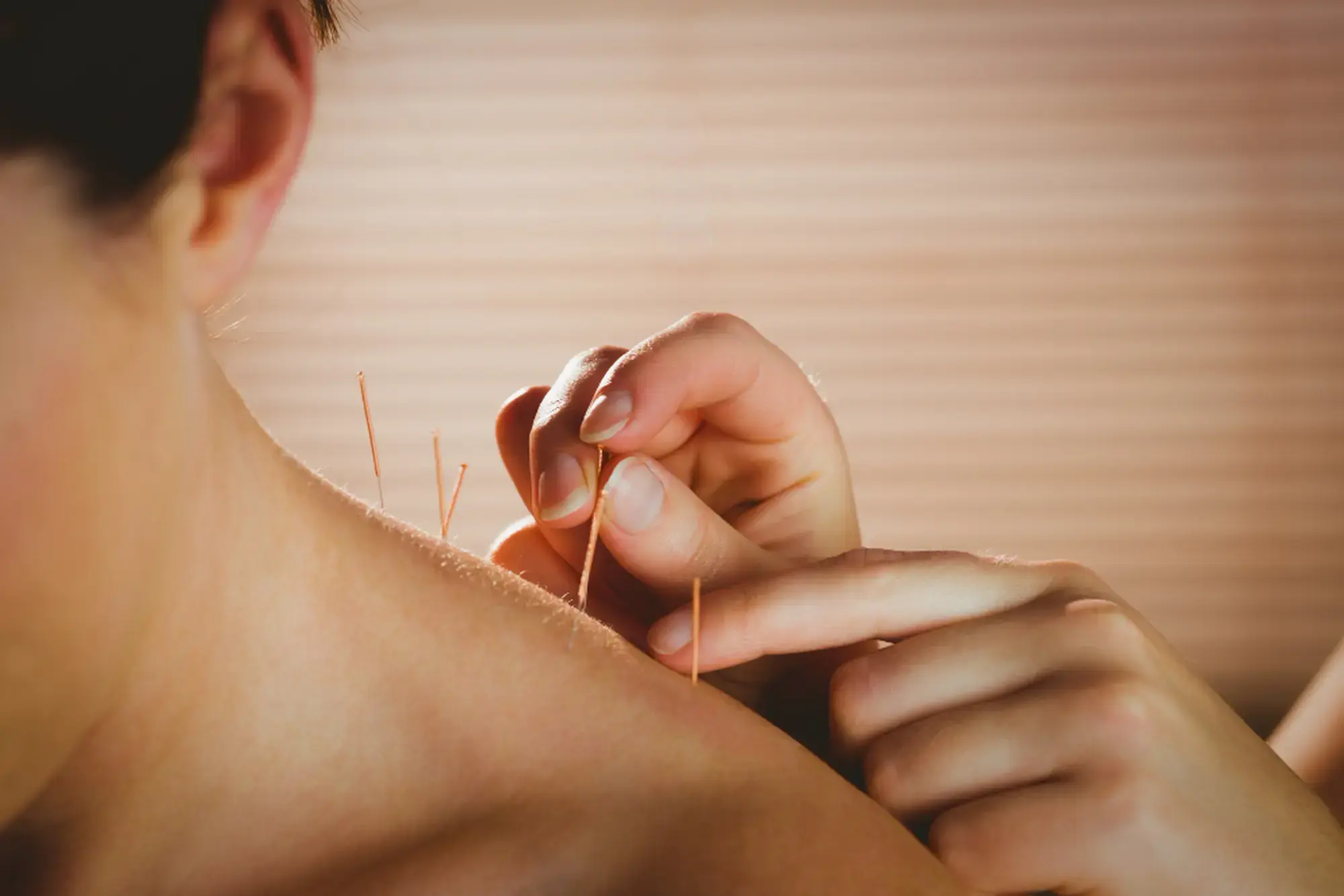
A lot of women want to understand acupuncture hormonal balance women a bit better, mostly because they’re after something that fits different stages of life. Within TCM, acupuncture involves gently stimulating specific points to support the body’s own balance. Research continues here, and many women like that this option feels personal and doesn’t involve medication, while still working fine alongside their usual care.
For anyone exploring acupuncture for menopause NYC, individualized attention stays front and center. A licensed practitioner builds recommendations around a woman’s own health picture, not a fixed formula. The same goes for acupuncture points for menstrual pain relief. Point selection changes from person to person, and that’s something a qualified practitioner figures out only after learning a person’s history.
Getting Through Menopause With a Bit More Comfort
Menopause is a natural stage of life, though the timeline looks different for everyone. Some women look for ways to feel more comfortable during this stretch while still working closely with their own doctors.
Interest in natural remedies for hot flashes and night sweats has grown as more people turn toward integrative options. Acupuncture and personalized Chinese herbal medicine come up often in this context. These therapies aren’t about promising a specific result. They’re generally used to support the body’s own balance as part of a larger, personal wellness plan.
Because herbal medicine is so individualized, guidance from a professional matters quite a bit here. Picking herbs without that kind of input may not work out for everyone, especially for women juggling other medications or health conditions. A conversation with a qualified practitioner helps make sure any care actually fits someone’s full health picture.
Finding the Right Provider in NYC
Choosing a provider is a big part of considering holistic care in the first place. Many women look for practitioners who explain things clearly, build plans around the individual, and work comfortably alongside conventional medical providers.
Anyone searching for holistic doctor nyc menopause support might want to look for a practice built around personalized planning, licensed practitioners experienced in acupuncture and Chinese herbal medicine, clear communication about what to expect, and consistent support as needs change over time. This kind of patient-centered approach is central to how Olympus Center works with the women who come through its doors.
If this sounds like the right fit, the team at Olympus Center is glad to walk through your options with you. Book an Appointment with Olympus Center
In Closing
A woman’s health needs shift over time, and a lot of women are drawn to complementary approaches that support their wellness in a way that feels personal. Acupuncture for menopause in NYC, together with individualized Chinese herbal medicine, offers something built around the person rather than a single, standard plan.
TCM starts from the idea that everyone’s experience is different. By bringing together acupuncture, tailored herbal medicine, and attention to overall wellness, licensed practitioners can shape plans around what each woman actually needs. At Olympus Center, that personal approach meets a modern, integrative outlook to offer thoughtful care for women throughout New York City. If any part of this feels relevant to where you are right now, a conversation with a qualified practitioner is a reasonable place to begin.
Frequently Asked Questions
1. What is the benefit of acupuncture for menopause in NYC?
A lot of women look into acupuncture for menopause NYC as part of a wider wellness routine. Acupuncture is commonly used within Traditional Chinese Medicine to support the body’s own balance, generally alongside conventional medical care rather than instead of it. A licensed practitioner builds a plan around each woman’s own health background and goals.
2. Are Chinese herbs commonly used for menstrual cramps?
Yes, chinese herbs for menstrual cramps have a long history in Traditional Chinese Medicine. That said, formulas are usually customized rather than pulled from a fixed list, so a qualified practitioner works out the most fitting recommendation after learning someone’s health history.
3. Can acupuncture and herbal medicine be used together?
Many practitioners combine acupuncture with individualized Chinese herbal medicine as part of one overall plan. Exactly how the two are used together depends on a woman’s own health background and goals, which is why guidance from a trained practitioner matters here.
4. Does Traditional Chinese Medicine replace conventional medical care?
No. It’s typically used alongside conventional healthcare, not instead of it. Many women choose this kind of integrative approach to support their wellness while still following guidance from their primary healthcare providers.
5. Why is personalized treatment important in Traditional Chinese Medicine?
Traditional Chinese Medicine works from the understanding that every woman has her own patterns and goals. Instead of applying one approach across the board, licensed practitioners build individualized plans that may include acupuncture, Chinese herbal medicine, and lifestyle conversations based on a full picture of the person. This kind of personalized approach is central to how care is delivered at Olympus Center.